

Cat-Cow Pose (Marjaryasana-Bitilasana)
Start on all fours with wrists under shoulders and knees under hips.
Inhale, arch your back, lift your head and tailbone (Cow Pose).
Exhale, round your back, tuck your chin and pelvis (Cat Pose).
Flow between these two for 5–10 breaths.
Effect: Increases flexibility of the spine, improves posture, and relieves tension in the back.
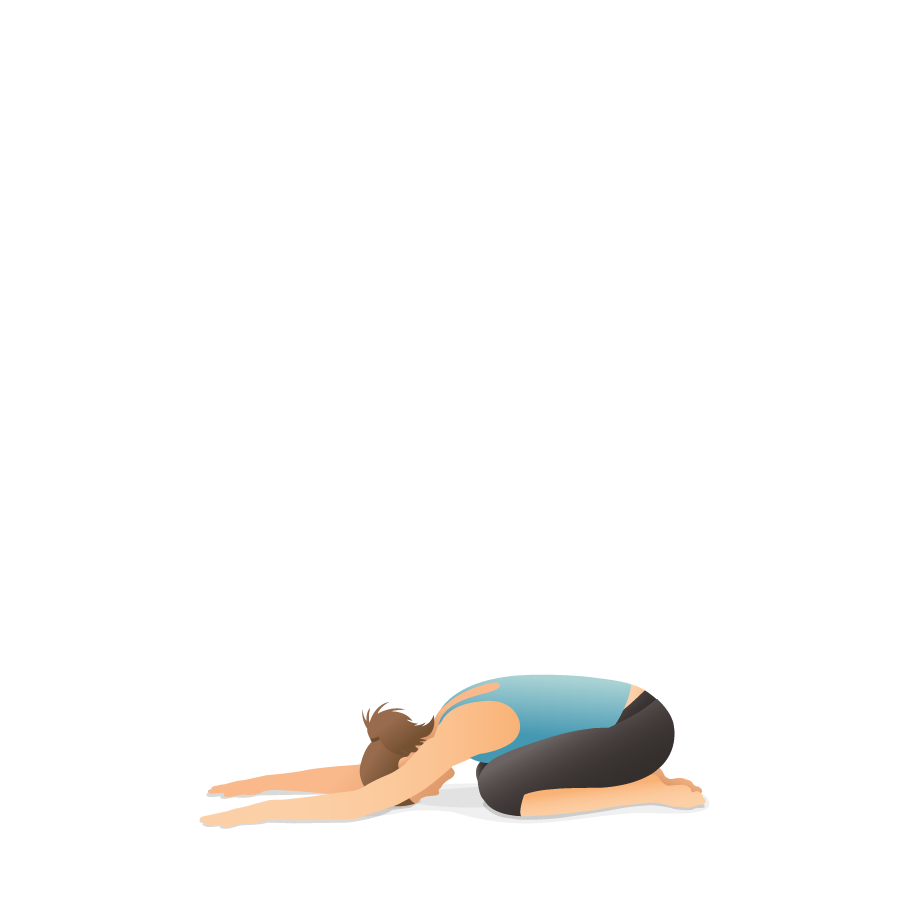
Child's Pose (Balasana)
Start in a kneeling position, with big toes touching and knees spread wide apart.
Sit back on your heels, stretch your arms forward, and rest your forehead on the mat.
Hold for 1–3 minutes, breathing deeply.
Effect: Gently stretches the spine, lower back, and hips. Relieves stress and tension in the lower back.
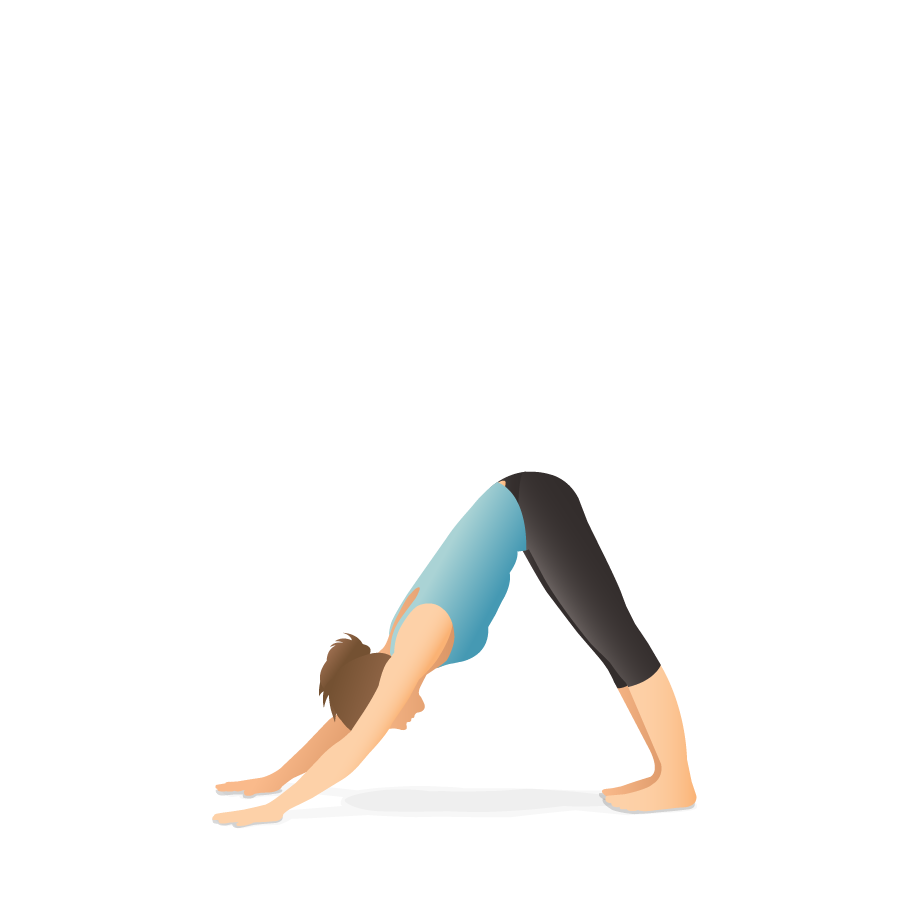
Downward-Facing Dog (Adho Mukha Svanasana)
Begin on your hands and knees, tuck your toes, and lift your hips to form an inverted "V".
Keep your spine long and press your heels toward the floor.
Hold for 5–10 breaths, focusing on stretching the back and legs.
Effect: Lengthens the spine, stretches the hamstrings and calves, and reduces pressure on the lower back.
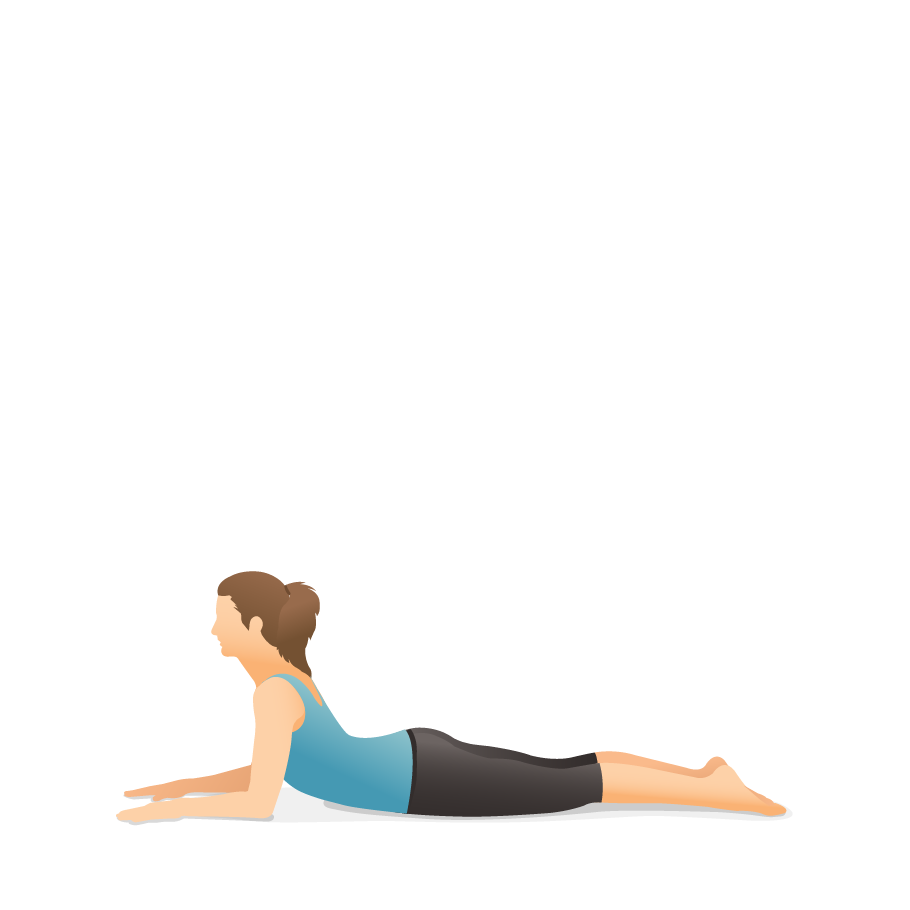
Sphinx Pose (Salamba Bhujangasana)
Lie on your stomach, forearms on the mat with elbows under shoulders.
Press into your forearms, lift your chest, and lengthen through the spine.
Hold for 1–2 minutes
Effect: Strengthens the spine, stretches the chest and shoulders, and provides gentle compression for the lower back.
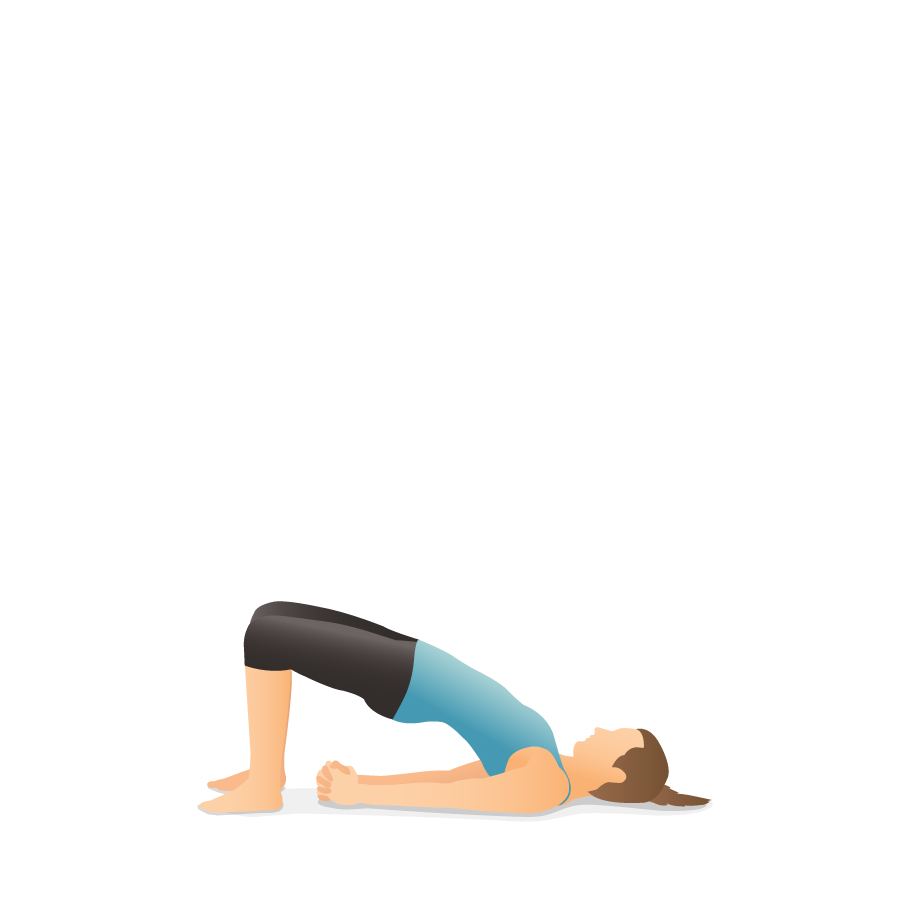
Bridge Pose (Setu Bandhasana)
Lie on your back with knees bent, feet hip-width apart, and arms by your sides.
Press into your feet and lift your hips toward the ceiling.
Hold for 5–10 breaths, then slowly lower down.
Effect: Strengthens the lower back, glutes, and hamstrings. Stretches the chest, neck, and spine.
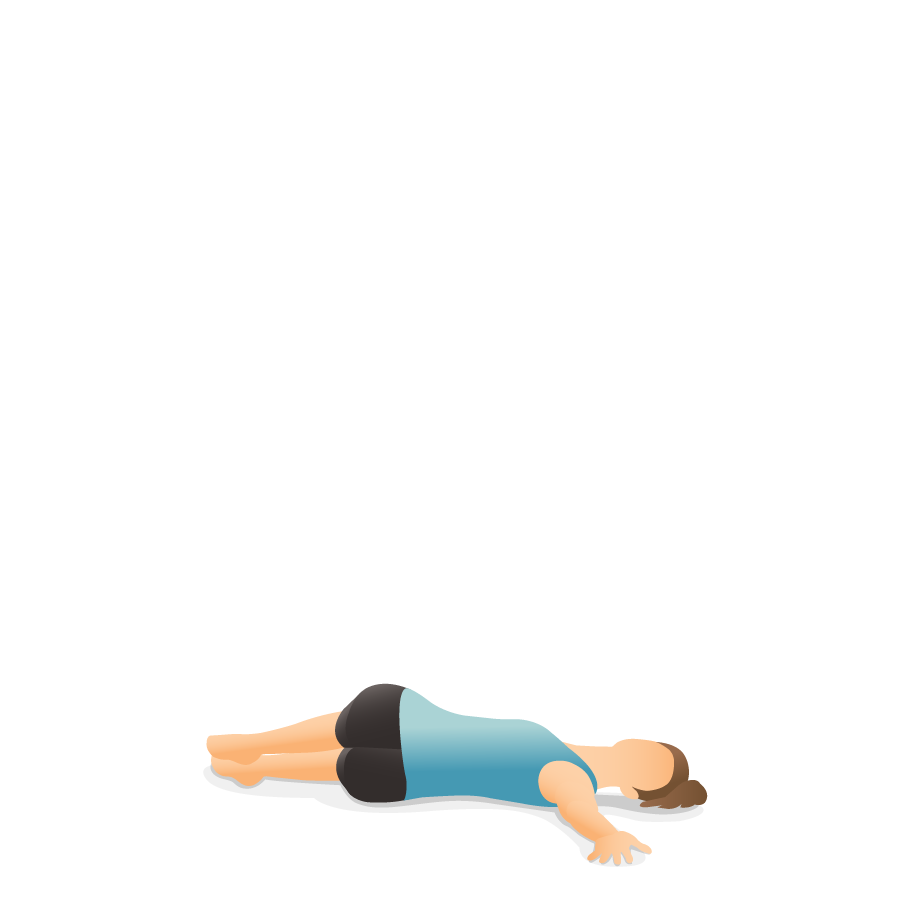
Supine Twist (Supta Matsyendrasana)
Lie on your back, draw your knees to your chest, and drop them to one side.
Keep your shoulders flat on the ground.
Hold for 30 seconds to 1 minute, then switch sides.
Effect: Releases tension in the lower back and hips, increases spinal mobility, and helps improve digestion.
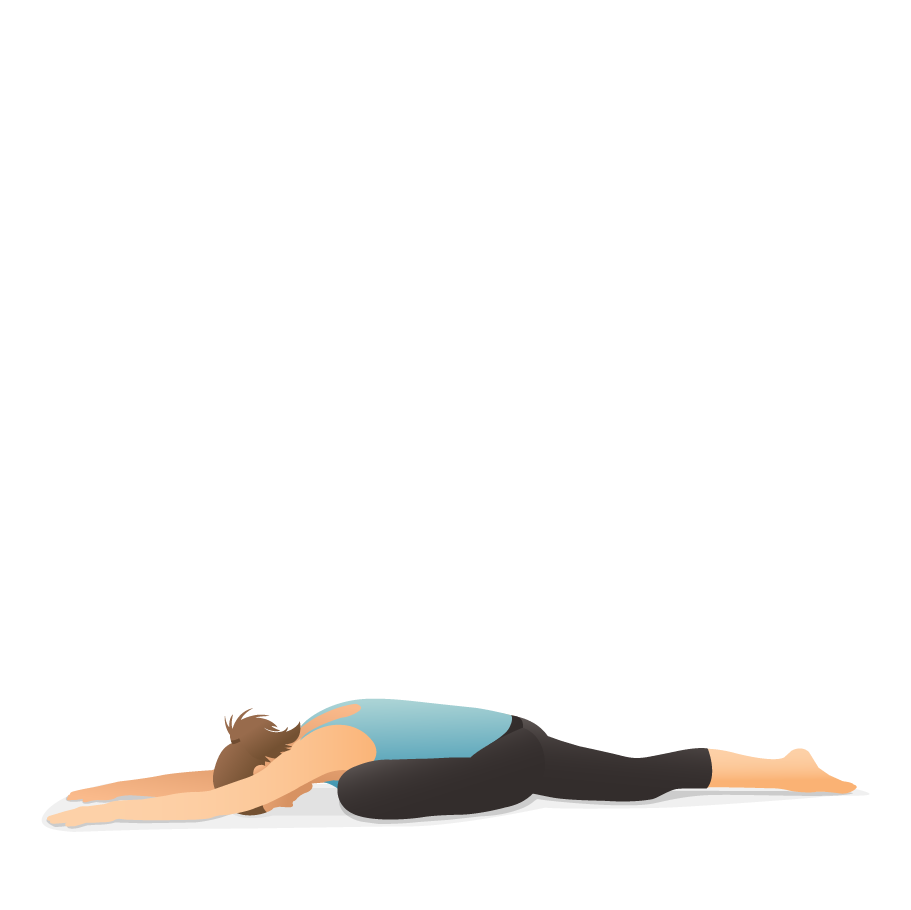
Pigeon Pose (Eka Pada Rajakapotasana)
From all fours, bring your right knee forward behind your right wrist, extending your left leg straight behind.
Lower your body toward the mat, resting on your forearms.
Hold for 1–3 minutes, then switch sides.
Effect: Stretches the hips, glutes, and lower back. Relieves tightness in the lower back and hip flexors.
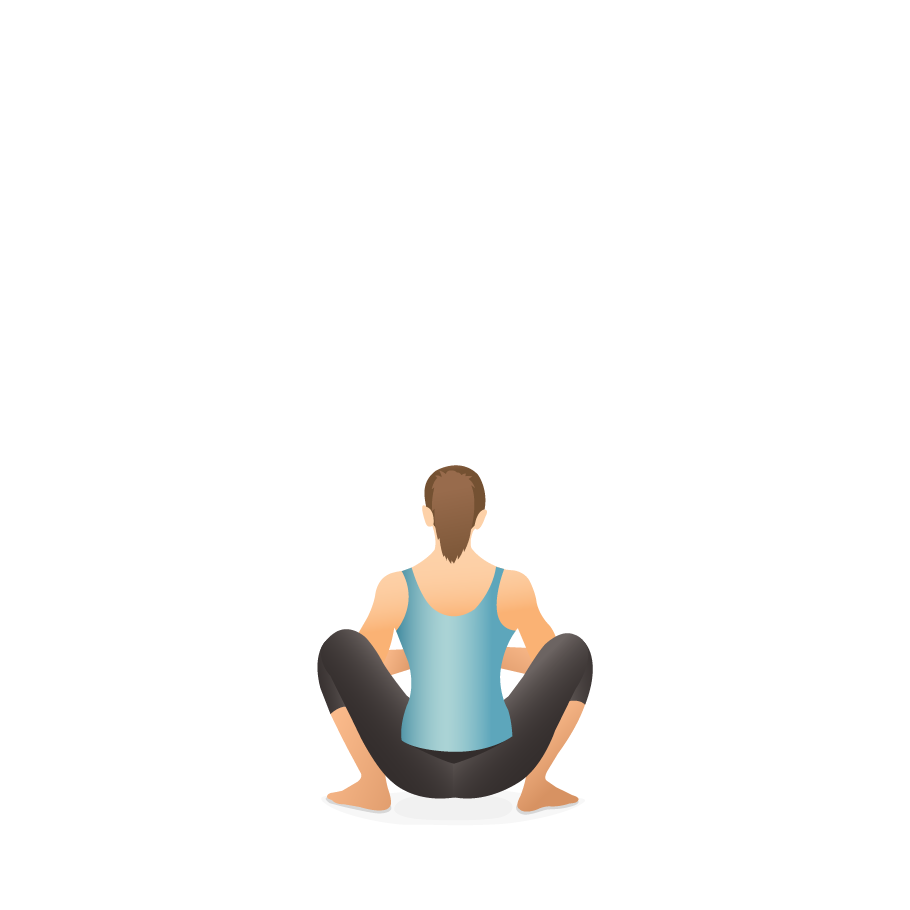
Garland Pose (Malasana)
Squat down with feet wide apart and press your elbows into your inner thighs, bringing your hands to prayer.
Keep your spine long and hold for 30 seconds to 1 minute.
Effect: Stretches the lower back, hips, and ankles, promoting flexibility and relieving tightness.
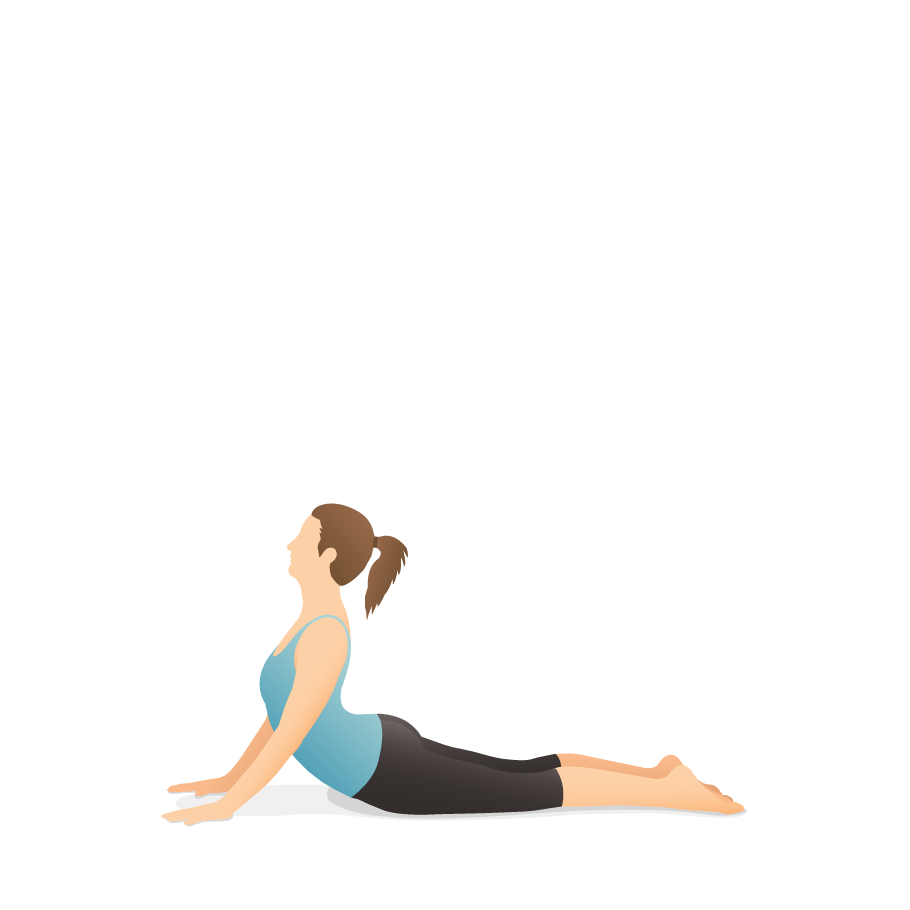
Cobra Pose (Bhujangasana)
Lie on your stomach with hands under your shoulders.
Press into your hands and lift your chest off the ground, keeping your elbows slightly bent.
Hold for 5–10 breaths.
Effect: Strengthens the lower back and shoulders, improves posture, and stretches the spine.

Legs Up the Wall (Viparita Karani)
Sit close to a wall, swing your legs up the wall, and lie down with your arms by your sides.
Hold for 5–10 minutes, breathing deeply.
Effect: Relieves pressure on the lower back, promotes relaxation, and helps improve circulation in the lower body.
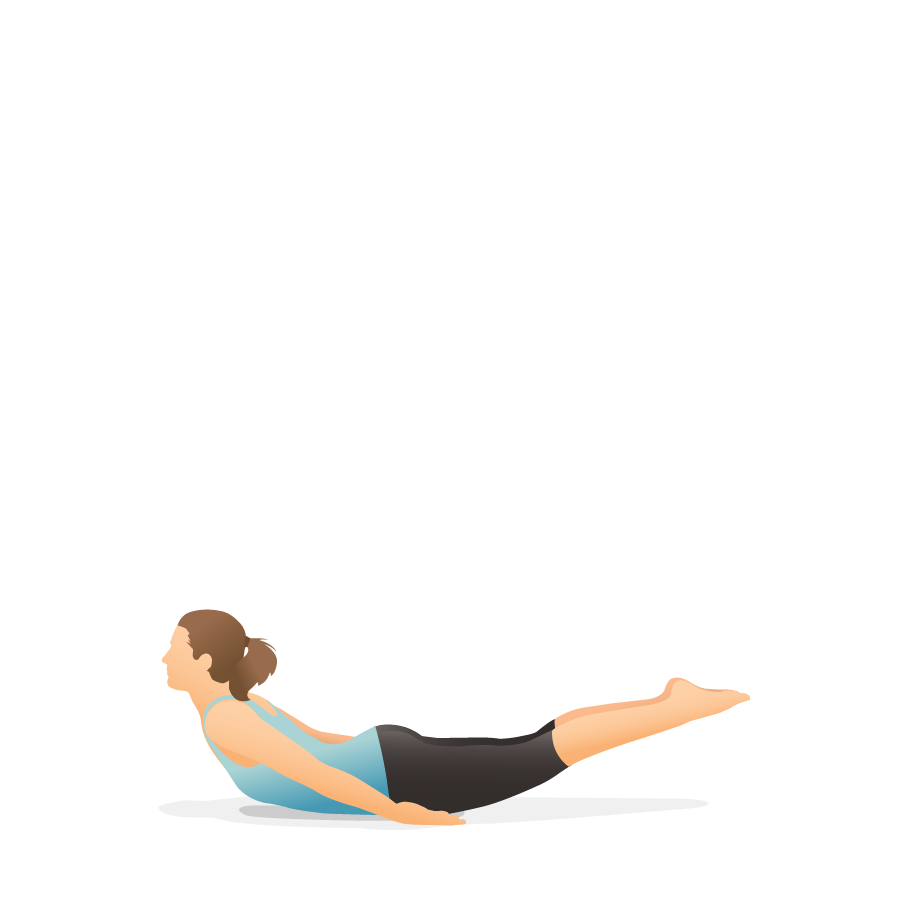
Locust Pose (Salabhasana)
Lie on your stomach with arms by your sides and palms facing down.
Lift your chest, arms, and legs off the ground.
Hold for 5–10 breaths, then release.
Effect: Strengthens the entire back, glutes, and legs. Improves posture and alleviates lower back pain.
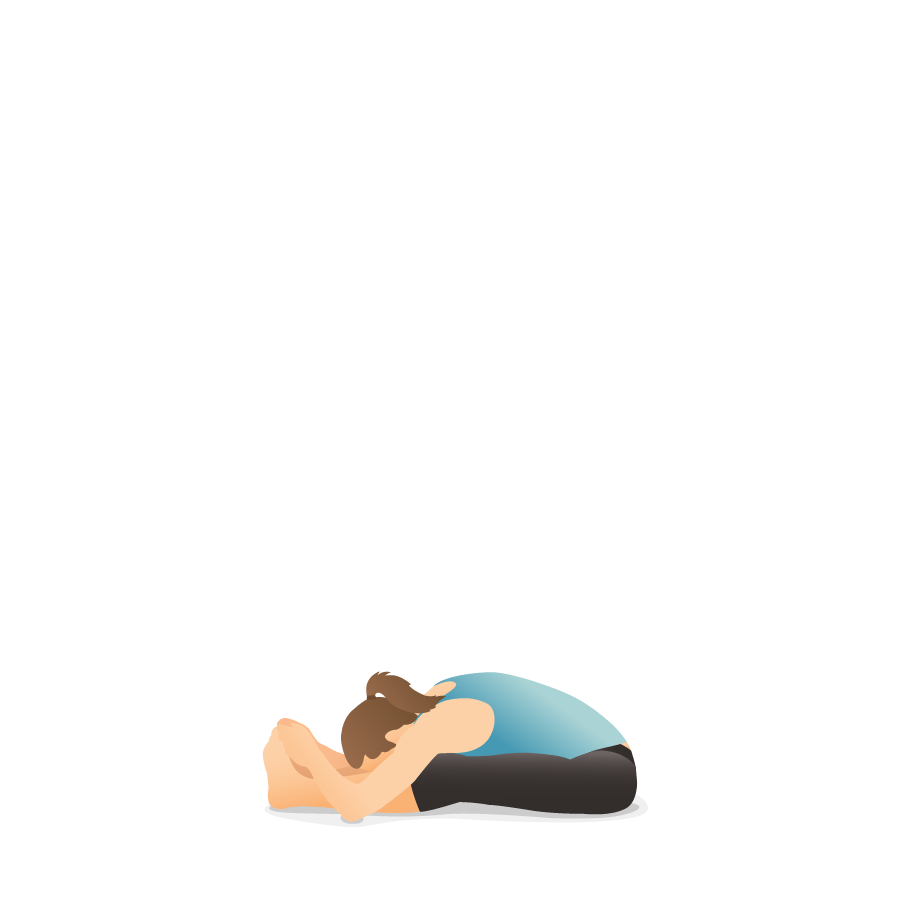
Seated Forward Bend (Paschimottanasana)
Sit with your legs straight in front of you.
Hinge at the hips and reach for your feet or shins, lengthening your spine.
Hold for 1–2 minutes, breathing deeply.
Effect: Stretches the entire back, especially the lower back, and hamstrings. Reduces stress and tension.
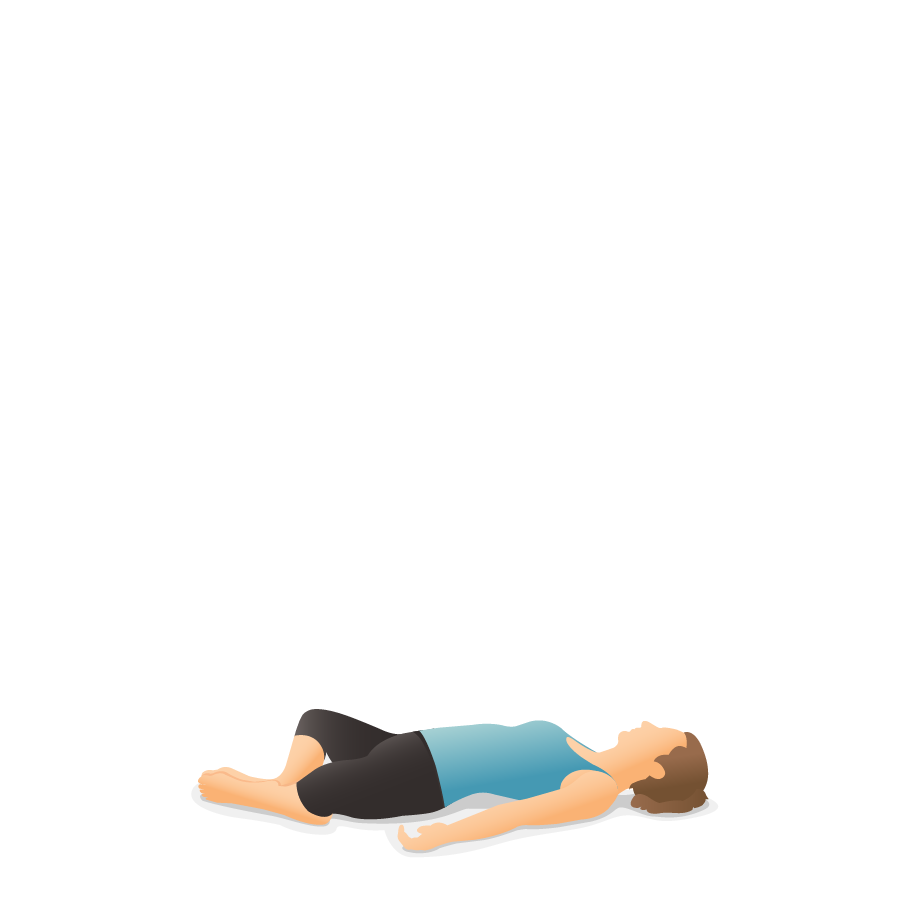
Reclined Bound Angle Pose (Supta Baddha Konasana)
Lie on your back and bring the soles of your feet together, letting your knees fall open to the sides.
Relax your arms by your sides and hold for 1–3 minutes.
Effect: Opens the hips and groin while releasing tension in the lower back.
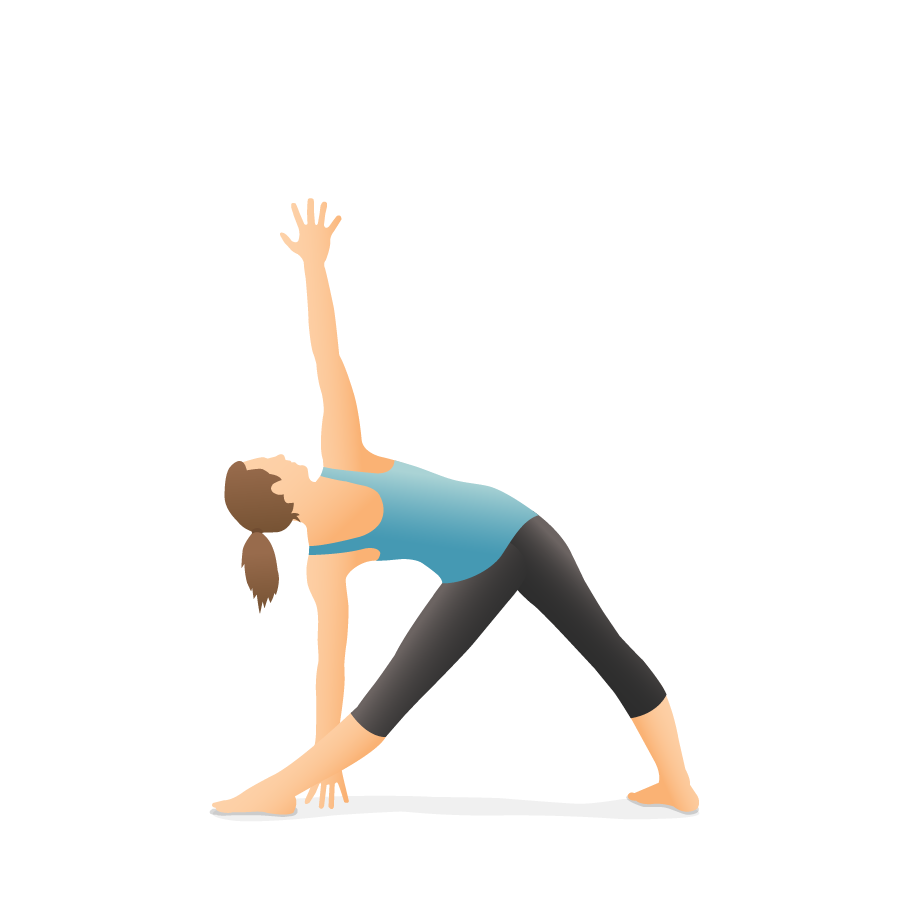
Extended Triangle Pose (Utthita Trikonasana)
Stand with feet wide apart, turn your left foot out, and extend your arms parallel to the floor.
Reach your left hand to your shin or floor while extending your right arm toward the ceiling.
Hold for 5–10 breaths, then switch sides.
Effect: Stretches and strengthens the entire spine, hips, and legs. Relieves back and neck tension.
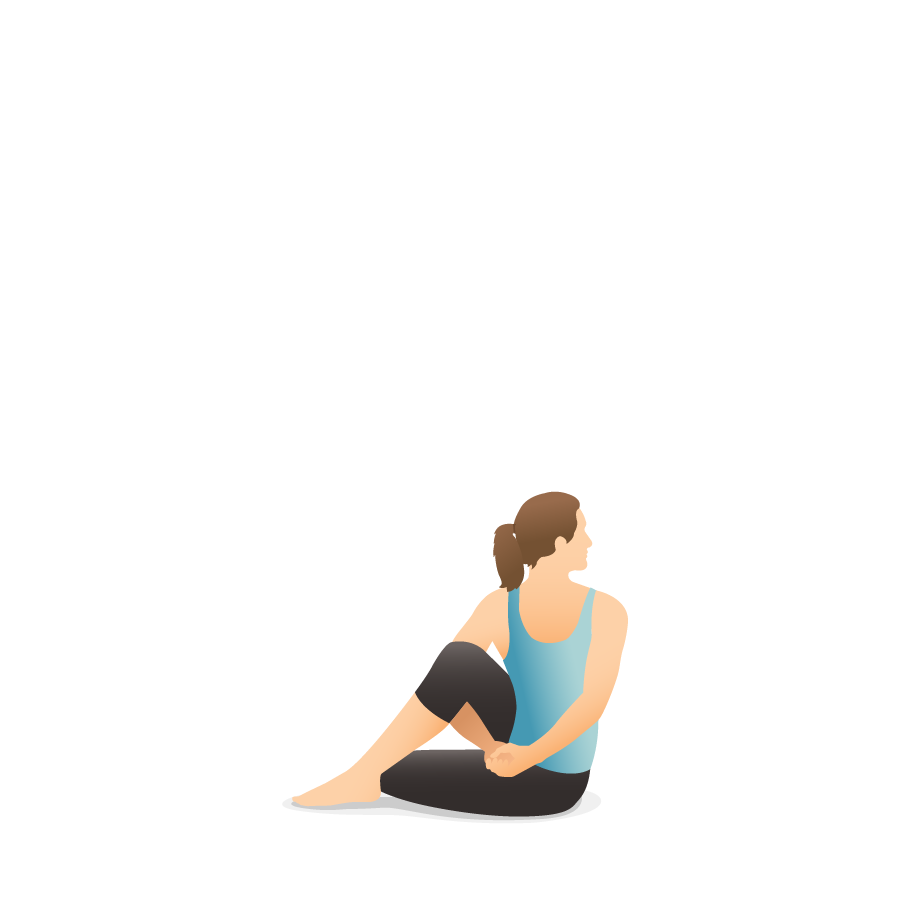
Half Lord of the Fishes Pose (Ardha Matsyendrasana)
Sit with your legs extended, bend your right knee, and cross it over your left leg.
Twist to the right, placing your left elbow outside your right knee.
Hold for 30 seconds to 1 minute, then switch sides.
Effect: Increases spinal flexibility and relieves tension in the lower back.
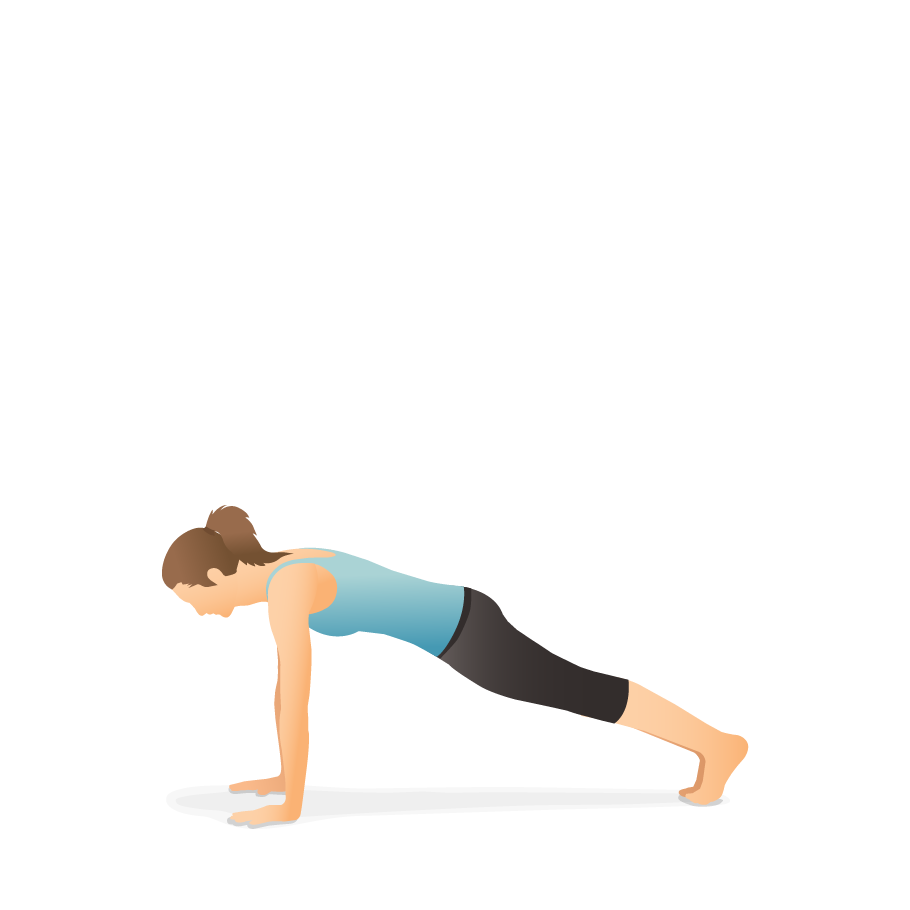
Plank Pose (Phalakasana)
Start in a push-up position with arms straight and hands under your shoulders.
Engage your core and keep your body in a straight line from head to heels.
Hold for 30 seconds to 1 minute.
Effect: Strengthens the core, which supports the lower back and improves posture.