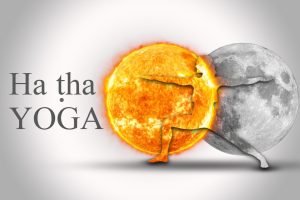
Hatha Yoga is a branch of yoga that emphasizes physical postures, breathing techniques, and meditation. It is one of the most well-known and widely practiced forms of yoga in the world. The word “Hatha” is derived from two Sanskrit words: “Ha,” meaning sun, and “Tha,” meaning moon. This symbolizes the balance of opposing forces within the body.
Hatha Yoga aims to create harmony between the mind and body by combining physical exercises (asanas), breath control (pranayama), and meditation (dhyana). The physical postures are designed to improve strength, flexibility, and balance. Each pose is held for a specific duration, allowing the practitioner to focus on alignment and breathing.
Breathing techniques in Hatha Yoga are used to control the flow of prana, or life energy, within the body. Pranayama practices help to calm the mind, reduce stress, and increase overall vitality. Meditation, often included in Hatha Yoga sessions, aids in mental clarity and emotional stability.
Hatha Yoga is accessible to people of all ages and fitness levels, making it an excellent entry point for beginners. It provides a foundation for other styles of yoga and offers numerous health benefits, including improved physical fitness, mental well-being, and a greater sense of inner peace.
Vinyasa Yoga is a dynamic style of yoga that emphasizes the connection between breath and movement. The term “Vinyasa” comes from Sanskrit, meaning “to place in a special way,” highlighting the intentional and flowing transitions between poses. Each movement is synchronized with an inhalation or exhalation, creating a continuous sequence, or “flow.”
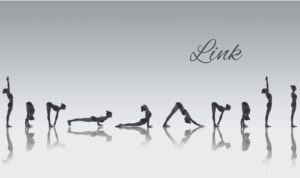
A typical Vinyasa class starts with Sun Salutations to warm up the body, followed by a variety of standing, balancing, and seated postures. The pace can vary from slow and gentle to fast and vigorous, making it adaptable to different fitness levels and preferences. This style encourages mindfulness and presence, requiring practitioners to focus on their breath and movements throughout the practice.
Vinyasa Yoga offers numerous benefits, including increased physical endurance, improved muscle tone, and reduced stress. Its dynamic nature provides a cardiovascular workout, while the emphasis on breath promotes mental clarity and relaxation. Additionally, Vinyasa Yoga enhances strength, flexibility, and balance, contributing to overall physical and mental well-being.
Popular for its versatility and creativity, Vinyasa Yoga allows for a wide range of sequences and poses, making each class unique. This style of yoga creates a meditative state through active movement, promoting both physical and mental health in a balanced, harmonious way.
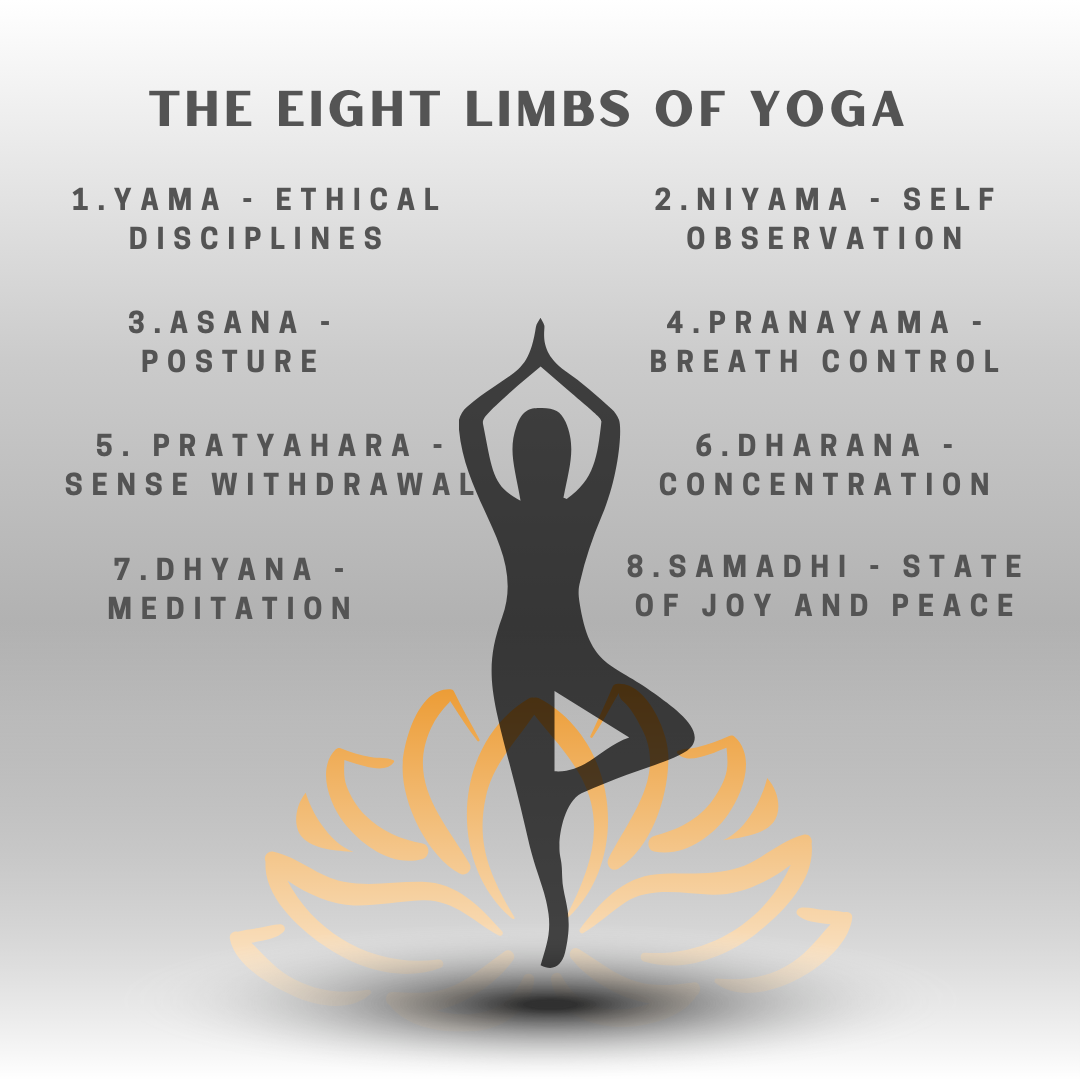
Ashtanga Yoga is a rigorous and structured style of yoga that follows a specific sequence of postures linked with breath. Developed by K. Pattabhi Jois, this practice is based on ancient yoga teachings and emphasizes a disciplined approach to physical and mental well-being. The word “Ashtanga” means “eight limbs” in Sanskrit, referring to the eightfold path outlined by Patanjali in the Yoga Sutras, which includes ethical guidelines, self-discipline, postures, breath control, sense withdrawal, concentration, meditation, and enlightenment.
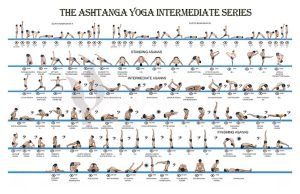
Ashtanga Yoga consists of six series of increasing difficulty: the Primary Series, Intermediate Series, and four Advanced Series. Each series is a set sequence of postures, starting with Sun Salutations, followed by standing poses, seated poses, and finishing poses. The practice is traditionally taught in a “Mysore” style, where students practice the sequences at their own pace under the guidance of a teacher.
A key component of Ashtanga Yoga is the use of Ujjayi breath, a deep and controlled breathing technique, combined with Bandhas (energy locks) and Drishti (gaze points). This combination helps generate internal heat, purifying the body and mind.
Ashtanga Yoga offers numerous benefits, including increased strength, flexibility, endurance, and mental clarity. Its structured approach promotes discipline, focus, and a deep connection between body and mind.
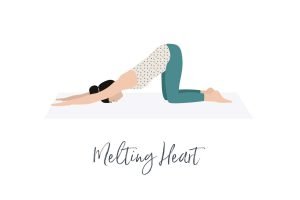
Yin Yoga is a slow-paced style of yoga that emphasizes deep stretching and holding postures for extended periods, typically ranging from three to five minutes or longer. Yin Yoga targets the connective tissues, such as ligaments, tendons, and fascia, promoting flexibility and joint mobility. This practice is rooted in ancient Chinese Taoist principles and incorporates elements of Traditional Chinese Medicine (TCM).
In Yin Yoga, poses are primarily seated or lying down, and they are practiced with relaxed muscles to gently stress the connective tissues. This prolonged hold allows for a deep release and greater access to the body’s fascia, which can help improve circulation and increase the flow of chi (energy). The practice is meditative and introspective, encouraging mindfulness and inner awareness.
Yin Yoga complements more dynamic (yang) styles of yoga and other forms of exercise by providing balance and restoration. It offers numerous benefits, including improved flexibility, joint health, stress reduction, and enhanced mental focus. The gentle, sustained stretches in Yin Yoga can also help release tension, increase body awareness, and cultivate a sense of inner peace. This style of yoga is accessible to people of all levels, making it a valuable practice for those seeking physical relaxation and mental clarity.
SUP Yoga is a unique and uplifting experience that blends the serenity of yoga with the playful adventure of stand-up paddleboarding. Practicing yoga on water not only strengthens your core and improves balance but also invites you to slow down, breathe deeply, and truly connect with the natural world around you. Whether you’re flowing through gentle poses under the open sky or simply resting in stillness while the board sways beneath you, each moment becomes an invitation to be fully present.
One of the most beautiful aspects of SUP Yoga is its accessibility. You don’t need to be an expert yogi or a seasoned paddler to enjoy it—just a willingness to try something new and have fun. The calm, shallow water we practice on provides a safe environment, and the added element of water encourages light-heartedness and a sense of play.
If you’re new to SUP Yoga, I’ve got you covered! I can help arrange rentals for everything you need, including a paddleboard, anchor, leash, and personal flotation device (PFD). All you have to bring is an open mind, a smile, and clothes you feel comfortable moving in—even if they get a little wet.
Come float, stretch, and smile, SUP Yoga is an adventure you won’t forget! Click here to learn more about SUP yoga.
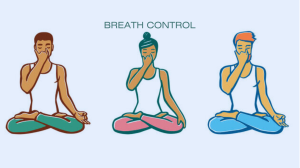
Pranayama, derived from Sanskrit words “prana” (life force) and “ayama” (control), is the practice of breath control in yoga. It is a fundamental aspect of yoga that involves various techniques to regulate the breath, thereby influencing the body’s energy flow and promoting mental clarity and physical well-being.
Pranayama practices typically include methods such as deep breathing, alternate nostril breathing (Nadi Shodhana), and breath retention (Kumbhaka). These techniques are designed to purify the body, calm the mind, and balance the nervous system. For example, Nadi Shodhana involves inhaling through one nostril while closing the other, then exhaling through the opposite nostril, promoting balance and harmony between the left and right hemispheres of the brain.
Regular practice of pranayama has numerous benefits. It enhances lung capacity, increases oxygen intake, and improves circulation. It also helps reduce stress and anxiety by activating the parasympathetic nervous system, which induces a state of relaxation. Moreover, pranayama can improve concentration and mental focus, supporting overall cognitive function.
Incorporating pranayama into a daily routine can lead to a more balanced, centered, and energized state of being. It is often practiced alongside asanas (yoga postures) and meditation, creating a holistic approach to physical and mental health.